
On this page
Pairing, scope and revocation
Pairing binds a client identity to access issued by a target daemon. It is more than saving an address, and does not copy a computer login password to a phone.
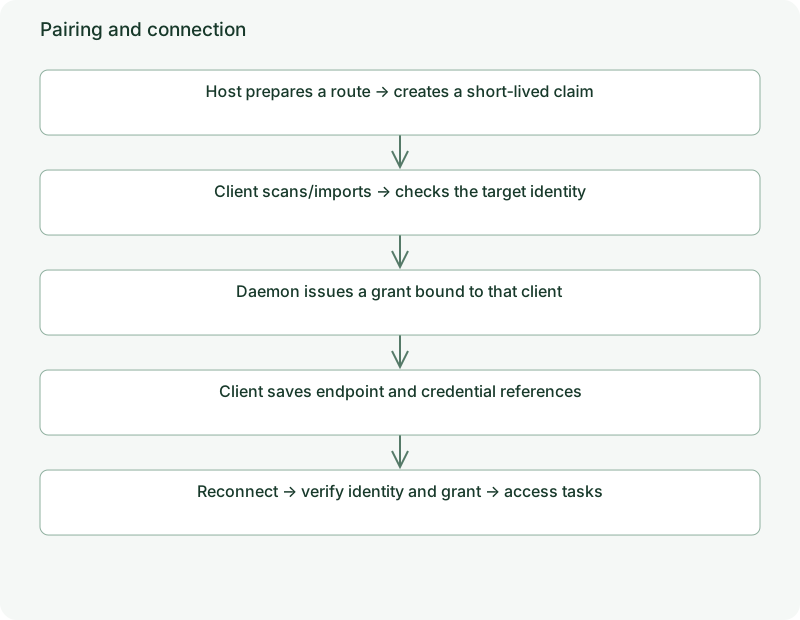
Invitation versus grant
The target issues a short-lived, one-time invitation. Redemption stores client-bound credentials. --ttl, default 10 minutes, limits redemption time. --grant-ttl limits the resulting access lifetime; default 0 means no time expiration.
Issue separate invitations for separate clients so each can be identified and revoked independently.
Scope
pair create --terminal TERMINAL_ID limits a grant to one terminal. Review whether broader daemon access is needed when omitting that restriction. Terminal access, file capability and size ownership are distinct concepts.
File tools are constrained by grants and daemon file policy. An interactive shell can still perform operations allowed to its OS user; file-tool path restrictions are not a shell sandbox.
Inspect access
On the target:
anytty access identity
anytty access list
Review client labels, scope and expiration. Labels aid management; identity and credentials establish authorization.
Revoke
anytty access revoke GRANT_IDUse the grant ID from the list. Revoke lost or retired clients on every target they could access, then verify access fails with the revoked grant.
Removing an App device or CLI endpoint only cleans local configuration. Cloud accounts and enrollment are also separate from daemon-issued client grants.